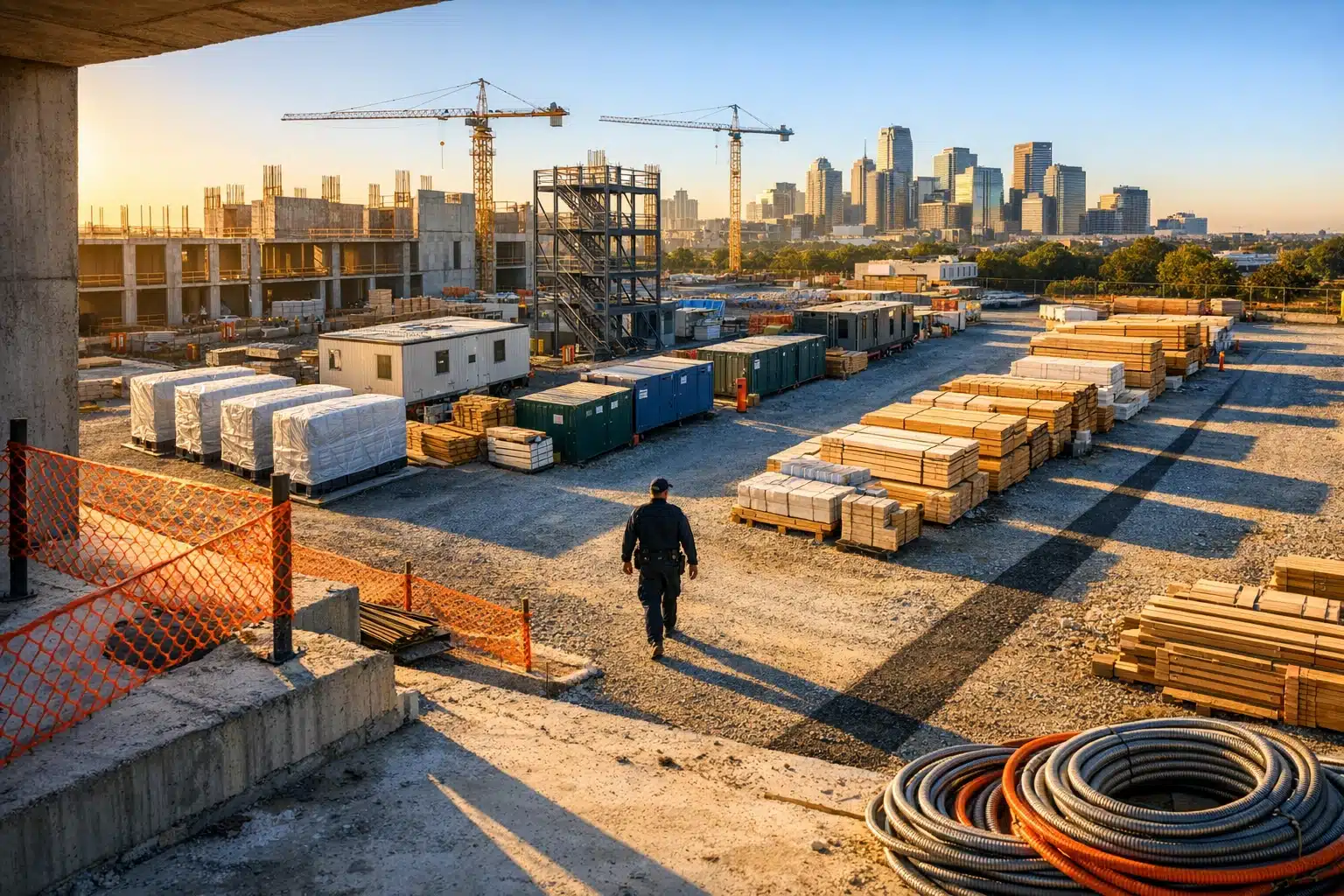
Construction Night Shift Security Jobs: A Practical Guide
Construction sites do not sleep just because the crew clocks out. Tools, copper wiring, fuel, and heavy equipment can vanish in a single quiet hour, and one act of trespassing can disrupt a project for days. That is why night shift security jobs matter: they protect property, reduce risk, and keep tomorrow’s work moving. For job seekers, these positions also offer a practical way into the security field, with structured routines, real responsibility, and space to build experience over time.
Outline
- The role of overnight security on construction projects and why it matters
- Skills, licenses, schedules, and pay expectations for job seekers
- What a typical night shift looks like, from patrols to incident reporting
- Safety challenges, legal limits, and the realities of working alone after dark
- How to get hired, perform well, and turn an entry-level post into a stronger career path
Why Construction Sites Need Night Shift Security
A construction site after dark can feel like a machine paused mid-breath. Half-built walls throw long shadows, temporary fencing rattles in the wind, and stacks of material sit waiting for the morning crew. That quiet atmosphere is exactly why overnight security matters. When workers leave, the site becomes vulnerable to theft, trespassing, vandalism, fire hazards, and accidental injury involving people who should not be there in the first place. In many cases, the value at risk is not limited to tools. A delay caused by theft or damage can ripple across subcontractor schedules, delivery dates, inspections, and insurance claims.
Construction security is different from guarding a finished office building or a retail store. An office property usually has fixed access points, reliable lighting, stable floor plans, and predictable occupant patterns. A construction site changes constantly. Fences move, materials are relocated, new blind spots appear, and access routes shift as work progresses. One week the priority may be copper wire theft; the next week it may be unauthorized entry near excavation zones or newly delivered HVAC units. That changing layout means a guard cannot rely on habit alone. Situational awareness has to stay sharp.
Common overnight concerns include:
- Theft of tools, cables, fuel, and small machinery
- Trespassers looking for shelter, scrap, or an easy shortcut
- Vandalism such as graffiti, broken locks, or damaged fencing
- Fire risks from temporary power, stored materials, or careless smoking
- Weather-related problems, including flooding, blown tarps, or unsecured equipment
For project managers and site owners, the guard’s presence serves several purposes at once. First, it acts as a deterrent. A visible patrol, a lit gate area, or a guard vehicle making rounds can persuade opportunistic thieves to move on. Second, it improves detection. If something does happen, early discovery matters. Spotting a cut fence at 11:30 p.m. is far better than discovering it at 6:30 a.m. after equipment has already disappeared. Third, it supports documentation. Insurance carriers, supervisors, and police departments all rely on accurate notes, time stamps, and incident reports when losses occur.
There is also a human safety dimension. Unfinished stairwells, trenches, exposed wiring, and unsecured materials make construction sites hazardous for untrained visitors. A night guard is not only protecting property; the guard is often preventing serious injury. In that sense, the role sits at the intersection of asset protection, site safety, and project continuity. For anyone considering this line of work, that is the first practical truth to understand: the job is not glamorous, but it is important, and its value is easiest to see when one quiet night prevents a very expensive morning.
Qualifications, Skills, Schedule Realities, and Pay Expectations
Construction night shift security jobs are often marketed as entry-level positions, but that label can be misleading. The barrier to entry may be lower than in some specialized fields, yet employers still want people who are dependable, alert, and able to follow procedures without constant supervision. In many regions, the first requirement is a state or local security guard license. Some employers help new hires obtain one, while others expect applicants to arrive already registered. Depending on location and contract type, extra credentials may include first aid or CPR certification, a clean driving record, drug screening, and background checks.
The most useful skills are practical rather than flashy. Strong observation matters more than dramatic confrontation. Clear report writing matters more than improvising under pressure. A good night guard notices that a chain is hanging differently than it was two hours earlier, remembers which subcontractor was scheduled to leave materials near the east fence, and logs events with enough detail that the morning supervisor can act on them immediately. Employers also value punctuality because overnight posts are difficult to cover at the last minute.
The best candidates usually bring several strengths:
- Calm communication over radio and phone
- Basic report writing with accurate times, locations, and descriptions
- Ability to walk patrols and remain attentive during quiet hours
- Comfort with cameras, access logs, flashlight checks, and mobile apps
- Professional judgment about when to observe, when to call supervisors, and when to contact emergency services
Pay varies widely by region, contract size, and responsibility. A basic unarmed site watch position may pay less than corporate lobby security, but some construction roles offer advantages such as overtime, weekend premiums, holiday pay, or longer shifts that condense the workweek. Sites with expensive equipment, stricter access control, or remote locations may pay more. Armed assignments, where legally permitted and genuinely required, usually offer higher wages, though they also bring additional training, liability, and scrutiny. Mobile patrol positions can pay differently from static gate posts because they involve more driving and broader coverage.
Schedule reality deserves honest attention. Night work can suit people who prefer quieter environments, need daytime availability, or like consistent routines. At the same time, it can strain sleep, social life, and energy levels. A candidate comparing construction security with warehouse work or overnight retail stocking should think beyond hourly pay. Security work often involves long periods of routine interrupted by short moments that demand fast judgment. You may spend an hour checking gates, lights, and delivery areas, then suddenly need to document a broken lock, guide police to the right entrance, or handle an alarm activation. If that combination of patience and readiness sounds manageable rather than draining, the role may fit you well.
What a Typical Night Shift Looks Like on a Construction Site
Most construction night shifts begin with a handoff, and the quality of that handoff shapes the entire night. A guard may arrive before sunset, review the pass-down log, confirm emergency contacts, and note unusual conditions such as expected concrete deliveries, a malfunctioning camera, or a section of fencing temporarily moved by the day crew. If the site has a gatehouse, the shift may start with key control, visitor logs, and radio checks. If it is a patrol-based post, the first task is usually a perimeter sweep to look for open access points, damaged barriers, unsecured materials, or signs that someone has already been on site.
Once the shift settles in, the work tends to follow a rhythm. Patrol routes may be timed or randomized depending on company policy. Repetition helps coverage, but predictability can be a weakness, so some supervisors prefer varied intervals. A typical routine includes checking entry gates, storage containers, generator areas, fuel tanks, stair towers, temporary offices, and laydown yards. On larger projects, guards may also monitor delivery staging zones and verify whether any approved subcontractor activity is happening after hours. This is where the job becomes more than walking with a flashlight. A strong guard learns the site map, understands what belongs where, and notices when something looks slightly wrong.
A normal shift may include tasks like these:
- Logging patrol times and observations
- Monitoring CCTV feeds or motion alerts
- Verifying that authorized vehicles or workers have permission to enter
- Checking locks, containers, fencing, and temporary lighting
- Reporting maintenance or safety issues such as leaks, sparks, flooding, or unstable materials
Technology changes the role, but it does not replace judgment. Cameras extend visibility, especially at gates and storage areas. Motion sensors help cover blind spots. Access control systems create a record of who entered and when. Some firms use guard tour software that requires scanning checkpoints during patrols. These tools are useful, yet they do not interpret context by themselves. A camera can show movement; it cannot always tell whether that movement is a raccoon, a subcontractor with valid approval, or a trespasser cutting through the site.
Incident response is where training becomes real. If a guard finds evidence of forced entry, the usual best practice is to keep a safe distance, avoid disturbing the scene, notify the proper contacts, and document what was observed. If an alarm activates, the guard may verify the area visually, communicate with supervisors, and contact law enforcement if the situation warrants it. If weather creates a problem, such as loose barriers or water entering a trailer, the guard may secure the immediate hazard and escalate the issue. Nights are often quiet, but quiet does not mean simple. The skill lies in treating each round with fresh attention, because on an active construction site the difference between “normal” and “important” can be a bent panel, a missing lock, or a generator that suddenly sounds wrong.
Safety Challenges, Legal Boundaries, and the Hard Parts of the Job
Anyone thinking about construction night shift security should understand the difficult side of the work before applying. The job is not usually dangerous in a dramatic, cinematic way, but it can be demanding in ordinary, stubborn ways: cold weather, fatigue at 3:00 a.m., lonely hours, poor lighting, uneven ground, and the pressure of making good decisions with limited information. On some sites, a guard works alone for most of the shift. That means self-discipline is not optional. If attention drifts, small problems can grow unnoticed.
Construction sites themselves present hazards even when no intruder is present. Open trenches, temporary stairs, exposed edges, mud, rebar, moving tarps, puddled surfaces, and partially energized equipment require careful movement. Guards are not expected to perform construction tasks, yet they do need enough hazard awareness to avoid injury and report unsafe conditions. Employers often provide site-specific post orders, and serious candidates should read them closely. A guard who knows where the first aid kit is, how to reach the nearest supervisor, and which zones are restricted after hours is far more effective than one who simply circles the fence line.
Legal boundaries are equally important. In many unarmed positions, the role is primarily observe, deter, document, and report. That means a guard’s job is often to witness, communicate, and preserve information rather than physically intervene. Laws vary by jurisdiction, and company policy matters, so guards need clear instruction on issues such as trespassing procedures, detention authority if any exists, evidence handling, and when to involve police. Trying to act beyond training can create risk for the guard, the employer, and everyone on site.
Common challenges include:
- Staying alert during long quiet periods without becoming complacent
- Handling verbal confrontations without escalating them
- Working through rain, cold, heat, or high winds on partially open sites
- Balancing customer service with strict access control when late arrivals appear
- Writing clear reports after stressful events instead of relying on memory later
Fatigue deserves special mention. Overnight work can interfere with sleep quality even for experienced workers. Good guards often build routines around blackout curtains, meal timing, hydration, and careful caffeine use. They understand that alertness is a safety issue, not just a comfort issue. A tired guard is more likely to miss a cut fence, forget a detail, or make a poor judgment call. The best professionals treat rest like equipment: if it is not in working order, performance suffers.
There is also the emotional reality of the post. Some nights feel endless. A flashlight beam slides across stacks of drywall, the radio stays silent, and the hum of temporary power becomes the loudest sound around. Then, without warning, the shift becomes busy. The ability to stay steady through both extremes is what separates reliable guards from those who struggle. If you prefer constant social interaction or fast-changing teamwork, another type of role might fit better. If you can handle solitude, procedure, and responsibility without needing applause, construction night security can be a solid match.
How to Get Hired, Succeed Early, and Build a Stronger Career Path
For job seekers, the most practical approach is to treat construction night shift security as a role that rewards reliability quickly. Employers often remember the guard who shows up ten minutes early, reads the post orders, and turns in clean reports more than the candidate with the most dramatic interview stories. When applying, tailor your resume to the actual work. If you have experience in warehouses, delivery, military service, facilities, maintenance, customer service, or any job that involved checklists, safety awareness, radio communication, or independent work, bring that forward clearly. Even if you are new to security, employers want proof that you can be trusted with an overnight post.
Your application and interview should highlight a few specific themes:
- Dependability and attendance history
- Comfort working nights, weekends, or rotating shifts if needed
- Ability to follow site procedures without cutting corners
- Experience documenting incidents, inventory issues, or safety concerns
- Willingness to learn licensing rules, patrol software, and emergency protocols
In interviews, expect practical questions rather than abstract ones. You may be asked what you would do if you found an open gate, noticed someone on camera after hours, or discovered damage during a patrol. Strong answers are usually calm and sequential: confirm what you observed, keep a safe position, notify the proper contact, document details, and escalate according to policy. Employers like candidates who understand the value of procedure. Construction clients usually do not want improvisation; they want consistency.
The first month on the job is about learning the site thoroughly. Know the layout, contractor names, restricted zones, alarm points, and lighting weak spots. By the second month, focus on accuracy and pattern recognition. Start noticing what normal looks like on different nights of the week. By the third month, aim to be the guard who prevents problems before they become incidents by catching small changes early and communicating them well. That progression matters because advancement in security often grows from trust rather than speed.
Career growth from this role is realistic, though it is rarely instant. A dependable site guard can move into lead officer duties, mobile patrol, dispatch, account supervision, or specialized access control work. Some people use the role as a stepping stone into safety coordination, facilities operations, or broader risk management, especially if they add certifications and build strong report-writing habits. Others prefer to remain in overnight posts because the schedule suits family life or daytime study. Neither choice is wrong.
For readers considering this path, the main takeaway is simple. Construction night shift security jobs are best suited to people who are steady, observant, and comfortable taking responsibility when the site is quiet and the margin for error is small. If you want work that is practical, structured, and genuinely useful, this field can offer a solid starting point. The nights may be long, but they teach valuable habits: attention to detail, disciplined communication, and the ability to stay composed when something unexpected appears in the dark. Those habits travel well, whether you stay in security or carry them into the next chapter of your working life.